24-Hour Flash Sale – Grab Your Deal Now! • 🎊Discount up to 35% for first purchase only this month. • ⏳ Sale Amazing Discounts Offers is live Now • 🚚 Free Delivery on Orders up to Rs. 6,500! • 🛍️ Limited Stock – Shop Before It’s Gone! •
24-Hour Flash Sale – Grab Your Deal Now! • 🎊Discount up to 35% for first purchase only this month. • ⏳ Sale Amazing Discounts Offers is live Now • 🚚 Free Delivery on Orders up to Rs. 6,500! • 🛍️ Limited Stock – Shop Before It’s Gone! •
24-Hour Flash Sale – Grab Your Deal Now! • 🎊Discount up to 35% for first purchase only this month. • ⏳ Sale Amazing Discounts Offers is live Now • 🚚 Free Delivery on Orders up to Rs. 6,500! • 🛍️ Limited Stock – Shop Before It’s Gone! •

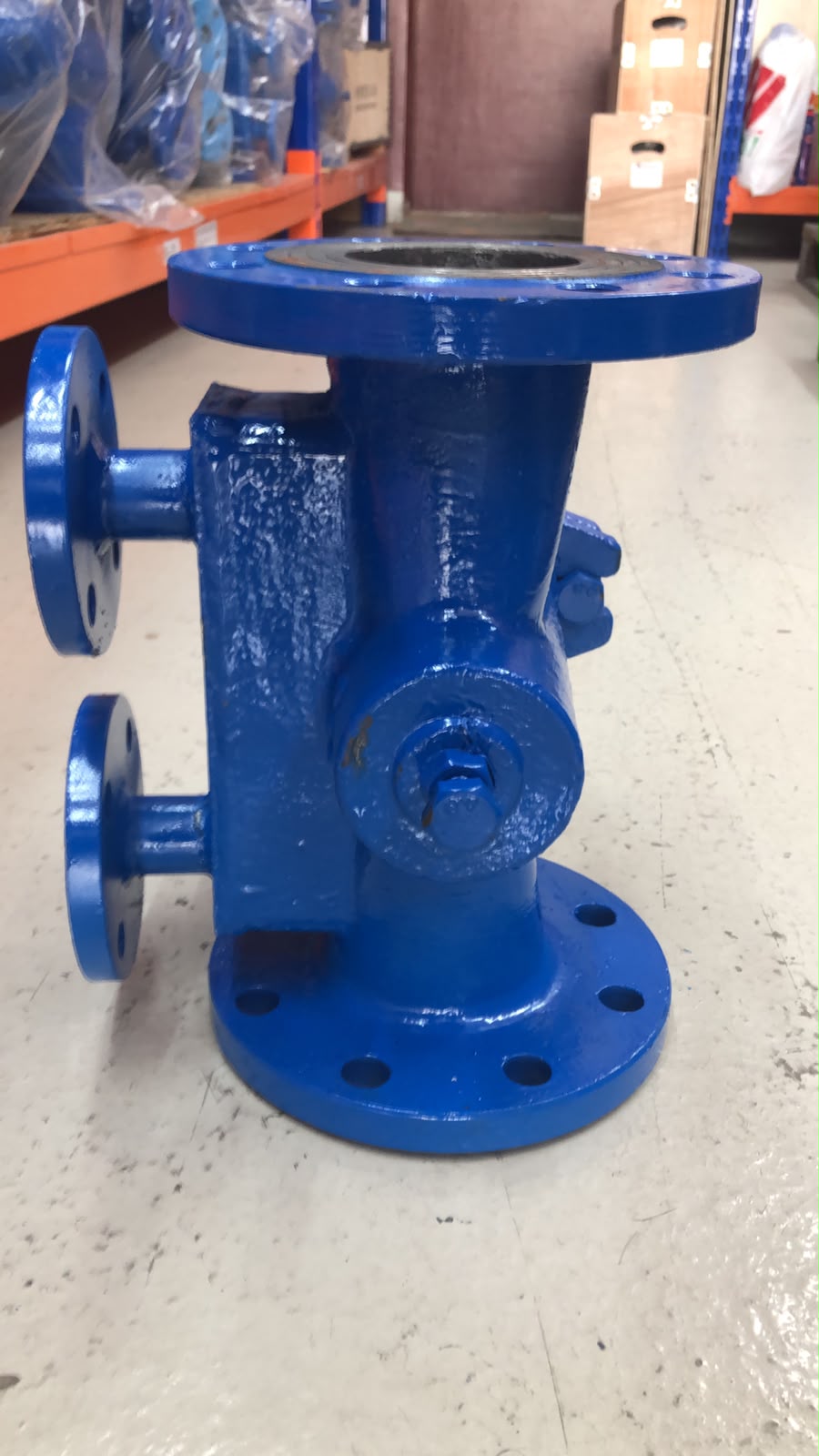
How to Select the Plug Valve for Efficient Flow
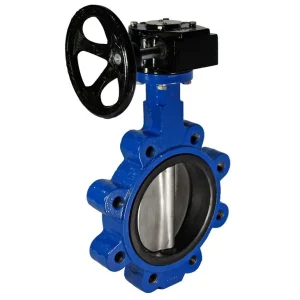


Choosing the plug valve is essential for keeping fluid flow efficient controlling pressure and ensuring reliable performance in industrial piping systems. How to Select the Plug Valve for Efficient Flow Plug valves are widely used in water treatment plants, chemical processing facilities, oil and gas operations, manufacturing units and many industrial applications across Pakistan.
Choosing a plug valve however can cause leakage, pressure loss, operational difficulties and higher maintenance costs. Factors such as valve material, size, pressure rating, operating temperature, type and connection design are very important when picking the right plug valve.
What Is a Plug Valve?
Most plug valves turn 90 degrees, which makes them very simple to operate. Depending on the design a plug valve can be turned by hand with a lever or gearbox. It can be turned automatically with an actuator.
Plug valves come in materials, sizes, pressure ratings and configurations. The straightforward operating mechanism of a plug valve makes plug valve useful for industrial systems that need reliable flow isolation.
How Does a Plug Valve Work?
Understanding How to Select the Plug Valve for Efficient Flow how a plug valve works helps you pick the option for your pipeline system.
A plug valve contains key components, including:
- Valve Body
- Plug
- Port
- Seat
- Stem
- Packing
- Operating Handle or Gearbox
When the How to Select the Plug Valve for Efficient Flow plug valve is open the plug passage lines up with the pipeline letting fluid move through the plug valve. When the plug valve rotates 90 degrees the passage becomes misaligned and the flow stops.
This simple mechanism gives operation and makes plug valves ideal for applications that need frequent opening and closing.
Types of Plug Valves Used in Industrial Applications
Before buying a plug valve it is important to understand the types. How to Select the Plug Valve for Efficient Flow Different designs give operational advantages.
1. Lubricated Plug Valve
A lubricated plug valve puts a lubricant between the plug and the valve body. How to Select the Plug Valve for Efficient Flow The lubricant reduces friction improves movement and helps the plug valve seal. These plug valves are often used when pressures are high or operating conditions are demanding. Regular maintenance and the right lubricant are key for operation.
2. Non‑Lubricated Plug Valve
A non‑lubricated plug valve uses designed sleeves or lining materials to reduce friction and provide sealing. How to Select the Plug Valve for Efficient Flow These plug valves work well in applications where regular lubrication is not wanted or where the process fluid needs sealing.
3. Eccentric Plug Valve
An eccentric plug valve has a plug that moves away from the seat when it opens. How to Select the Plug Valve for Efficient Flow This design reduces friction between the plug valve and the seat. Eccentric plug valves are often chosen for wastewater treatment slurry handling and processes that involve fluids with suspended particles.
4. Expanding Plug Valve
An expanding plug valve expands the plug against the valve seats when it closes. How to Select the Plug Valve for Efficient Flow This design gives a shutoff and can isolate different sections of a pipeline. Expanding plug valves are ideal, for applications where a dependable seal’s very important.
Important Factors to Consider When Selecting a Plug Valve
Choosing the plug valve needs careful review of your pipeline requirements. How to Select the Plug Valve for Efficient Flow The following factors can help you make a decision.
1. Understand the Type of Fluid
The first step is to identify the fluid that will pass through the plug valve. Different liquids and gases have chemical and physical properties.
- Water systems may need materials.
- Oil applications may need sealing materials that are compatible.
- Chemical processing systems need materials that will resist chemical reactions.
- Wastewater applications may require plug valves designed to handle suspended solids.
- Gas pipelines require sealing and pressure performance.
Always check the chemical compatibility of the plug valve body, plug, seat and seals with the operating fluid.
2. Select the Correct Valve Material
Plug valve material directly affects durability, corrosion resistance and service life.
Common plug valve body materials include:
- Cast Iron: Suitable for water distribution and general industrial applications where operating conditions permit.
- Ductile Iron: Offers improved strength and toughness compared with conventional cast iron.
- Carbon Steel: Commonly used in applications requiring good mechanical strength and suitable pressure resistance.
- Stainless Steel: Provides corrosion resistance in many environments and is frequently selected for chemical, food processing and other industrial applications.
- Alloy Materials: Special alloys may be required for corrosive or demanding operating conditions.
When selecting a plug valve consider the composition, operating temperature, pressure and surrounding environment.
3. Check the Required Pressure Rating
Pressure rating is one of the important factors when choosing a plug valve. How to Select the Plug Valve for Efficient Flow.
Every plug valve is designed to operate within pressure and temperature limits. Selecting a plug valve with a pressure rating may result in leakage, component damage or unsafe operating conditions.
Before purchasing identify:
- operating pressure.
- Maximum operating pressure.
- pressure fluctuations.
- Surge or water hammer conditions.
- Operating temperature.
Choose a plug valve with a pressure-temperature rating for the complete operating range of your system. How to Select the Plug Valve for Efficient Flow Do not select a plug valve based on its nominal pressure class without checking the manufacturers specifications.
4. Choose the Correct Valve Size
Plug valve size should match the pipeline design and required flow conditions. How to Select the Plug Valve for Efficient Flow.
A plug valve that is too small can restrict flow. Increase pressure loss. An oversized plug valve may increase purchasing costs and create unnecessary installation complications.
Consider the following measurements:
- Pipeline diameter.
- Required flow rate.
- Fluid velocity.
- Pressure drop.
- Plug valve flow characteristics.
For industrial applications consult a qualified piping or process engineer to confirm the appropriate plug valve size.
5. Consider the Flow Rate and Pressure Drop
Efficient flow depends on more than selecting a plug valve with the same diameter as the pipeline.
The plug valves internal passage, flow coefficient, fluid viscosity and operating conditions influence pressure loss.
A full-port plug valve generally provides an unrestricted flow path when fully open. Other designs may have flow characteristics.
When selecting a plug valve compare its flow coefficient (Cv or Kv) with the requirements of your system. How to Select the Plug Valve for Efficient Flow This helps determine whether the selected plug valve can handle the required flow without creating pressure loss.
Some important advantages include:
- Quick Operation: Quarter‑turn operation allows fast opening and closing.
- Simple Design: Fewer operating movements make the mechanism straightforward.
- Reliable Isolation: Suitable designs provide shutoff performance.
- Construction: Many plug valve designs offer practical installation dimensions.
- Multiple Applications: Available in different configurations for various industrial fluids.
- Maintenance Options: Certain designs allow servicing according to manufacturer instructions.
It is important to remember that not every plug valve is suitable for every application. The correct plug valve design must match the operating conditions and required performance.
Common Applications of Plug Valves in Pakistan
Plug valves are used across industrial sectors in Pakistan because of their flow isolation capabilities.
Water Supply and Treatment Plants
Plug valves are used in water distribution networks, treatment facilities and wastewater systems. How to Select the Plug Valve for Efficient Flow Suitable plug valve designs can support flow isolation and maintenance operations.
Oil and Gas Industry
Oil and gas facilities use appropriately rated plug valves in pipeline systems and processing equipment. Material compatibility, pressure ratings and sealing performance are especially important in these applications.
Chemical Processing Plants
Chemical industries require plug valves that can withstand the properties of the process fluid. How to Select the Plug Valve for Efficient Flow Selecting materials and compatible seals is essential.
Manufacturing Industries
Manufacturing facilities use plug valves in utility lines, industrial processing systems and equipment connections.
Wastewater Management
Eccentric plug valves are commonly considered for wastewater and sludge applications because their designs can accommodate fluids containing suspended solids.
Common Mistakes to Avoid When Selecting a Plug Valve
Even a high‑quality plug valve may perform poorly if it is incorrectly selected or installed.
Avoid these mistakes:
1. Ignoring Fluid Compatibility: Always check whether the plug valve materials are suitable for the process fluid.
2. Selecting the Wrong Size: Match the plug valve size to the required flow and pipeline specifications.
3. Overlooking Pressure Ratings: Verify the operating pressure and temperature limits.
4. Choosing Incorrect Seals: Use sealing materials with the fluid and temperature.
5. Ignoring Maintenance Requirements: Consider accessibility, lubrication and servicing needs.
6. Purchasing Without Technical Specifications: Review the manufacturer’s datasheet before making a purchase.
7. Incorrect Installation: Follow the manufacturer’s installation instructions and pipeline design requirements.
Avoiding these mistakes can help improve operating reliability and reduce maintenance expenses.
Maintenance Tips for Long‑Lasting Plug Valve Performance
inspection and appropriate maintenance help keep plug valves operating efficiently.
Here are some useful maintenance practices:
- Inspect the valve body for corrosion or damage.
- Check the stem area for leakage.
- Examine the operating handle or gearbox.
- Follow recommended lubrication intervals for lubricated plug valves.
- Inspect seals and packing when required.
Never dismantle a plug valve. Isolate, depressurise and follow the safety procedures before carrying out maintenance.
How to Buy the Right Plug Valve in Pakistan
When purchasing a plug valve in Pakistan focus on specifications rather than price alone. A suitable plug valve should meet your pipeline’s requirements and provide reliable performance under the intended working conditions.
Before placing an order confirm the following information:
- Plug valve size and design.
- Body and plug material.
- Pressure class.
- Operating temperature.
- Fluid compatibility.
- Connection type.
- Manual or gear‑operated mechanism.
- Manufacturer. Applicable standards.
Conclusion
Selecting the plug valve for efficient flow requires careful consideration of several technical factors, including fluid type, plug valve material, pressure rating, temperature, size, flow rate and connection design.
A selected plug valve can support reliable flow isolation reduce unnecessary pressure losses and improve the overall performance of industrial piping systems. However the final selection should always be based on the operating conditions and manufacturer‑approved specifications.
For buyers in Pakistan understanding these factors can make purchasing decisions easier and help avoid costly installation and maintenance problems.
Explore industrial products, at Dayshop.pk and prioritise quality, compatibility and reliable performance when selecting equipment for your pipeline requirements.
-
Sale!
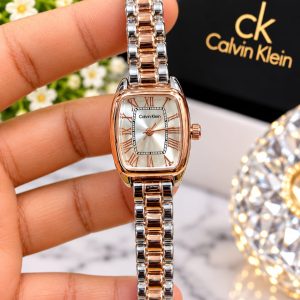
CK Ladies Butterfly lock Roman Dail Watch
Original price was: ₨ 8,500.₨ 6,500Current price is: ₨ 6,500. -
Sale!

Refame Couple watch in chain
Original price was: ₨ 6,500.₨ 5,500Current price is: ₨ 5,500. -
Sale!

Veyes Eau de Parfum Box of 4 Bottle
Original price was: ₨ 5,500.₨ 3,800Current price is: ₨ 3,800. -
Sale!
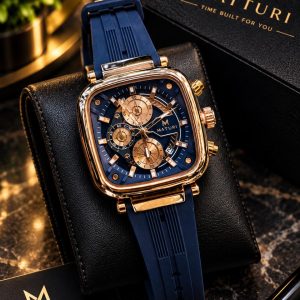
Matturi Chronograph Watch Leather Strap
Original price was: ₨ 10,500.₨ 8,650Current price is: ₨ 8,650. -
Sale!
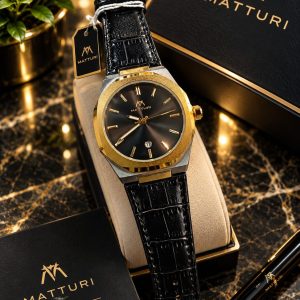
Luxury Matturi Watch with Working Date
Original price was: ₨ 8,000.₨ 6,550Current price is: ₨ 6,550. -
Sale!

Elegant Purple Bridal Jewelry Gift Set
Original price was: ₨ 6,500.₨ 5,500Current price is: ₨ 5,500. -
Sale!
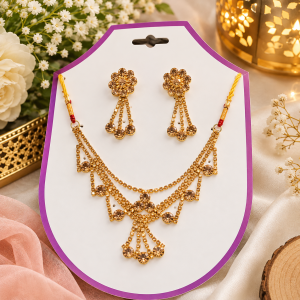
Golden Floral Jewelry Set
Original price was: ₨ 1,500.₨ 1,200Current price is: ₨ 1,200. -
Sale!
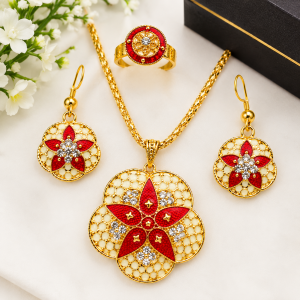
Gold Floral Rhinestone Jewelry Set
Original price was: ₨ 1,500.₨ 1,100Current price is: ₨ 1,100. -
Sale!

Ornate Crystal Bangle
Original price was: ₨ 1,000.₨ 700Current price is: ₨ 700. -
Sale!

Rolex Datejust dial fluted bezel Jubilee
Original price was: ₨ 11,500.₨ 8,500Current price is: ₨ 8,500. -
Sale!

Beauty Jewelry Adjustable size Watch
Original price was: ₨ 3,200.₨ 2,800Current price is: ₨ 2,800. -
Sale!

D-Zinner Original Dual Time Watch
Original price was: ₨ 9,500.₨ 8,500Current price is: ₨ 8,500. -
Sale!

Luxury Women Scarf Silk Bandana
Original price was: ₨ 2,500.₨ 1,500Current price is: ₨ 1,500. -
Sale!

Sapil Nice Feeling Black Body Spray
Original price was: ₨ 2,500.₨ 1,500Current price is: ₨ 1,500. -
Sale!

Mini Exercise Bike Pedal Exersizer
Original price was: ₨ 15,000.₨ 9,999Current price is: ₨ 9,999. -
Sale!
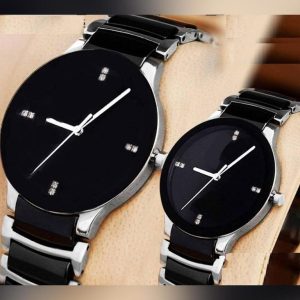
Pack of 2 Premium Silver Black Couple watch
Original price was: ₨ 8,500.₨ 7,500Current price is: ₨ 7,500.